
After installing hundreds of garage doors throughout Renton and King County, I’ve noticed that many homeowners don’t fully understand thermal breaks. Yet this small feature can make a significant difference in your energy bills and comfort, especially in Washington’s climate.
Let me explain what thermal breaks actually do and whether they’re worth the investment for your home.
Table of Contents
What Is a Thermal Break in a Garage Door?
A thermal break is a barrier of non-conductive material placed between the interior and exterior metal layers of your garage door. It prevents heat from transferring through the metal, stopping your garage from becoming an oven in summer or an icebox in winter.
Think of it like a bridge between two metal surfaces that blocks temperature transfer. Without this barrier, the metal conducts heat or cold directly from outside to inside, making insulation far less effective.
How Thermal Breaks Work in Insulated Garage Doors
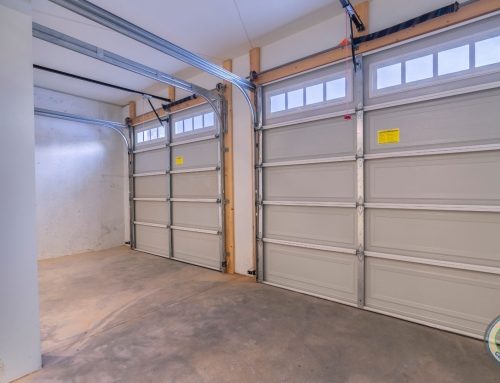
In a standard insulated garage door, foam insulation sits between two steel panels. The problem? The steel itself conducts temperature around the edges of each panel section.
A thermal break solves this by creating a physical separation. We typically see vinyl or polyurethane thermal breaks in quality garage doors, preventing the outer steel from touching the inner steel directly.
The result is significantly better temperature control. I’ve measured garage temperatures in Renton homes, and doors with thermal breaks maintain 10 to 15 degrees closer to your desired temperature compared to those without, which can help reduce the kind of Garage Door Repair Costs associated with weather-related damage.
Do You Need a Thermal Break in Washington State?
Yes, I recommend thermal breaks for most Renton homeowners, especially in three situations. If your garage connects to your home, shares a wall with living spaces, or you use it as a workshop or storage for temperature-sensitive items, a thermal break pays for itself.
Washington’s climate is milder than many regions, but we still experience temperature swings. Our wet winters combined with occasional freezing temperatures create condensation problems in garages without proper thermal barriers.
I’ve seen this firsthand in neighborhoods like Fairwood and Renton Highlands. Homeowners without thermal breaks often deal with moisture buildup, which leads to rust, mold, and damaged stored items.
The Real-World Benefits We See in Pacific Northwest Homes
Energy savings are the obvious advantage. An attached garage without a thermal break forces your heating system to work harder because cold transfers through your shared wall.
But I also see fewer service calls for weather-related issues. Thermal breaks reduce condensation, which means less corrosion on springs, cables, and tracks. That translates to longer-lasting components and fewer repairs, similar to how proper maintenance of your Gate Opener Systems extends their lifespan.
Sound insulation improves too. The same barrier that blocks temperature also dampens noise, making your garage door quieter during operation.
Are Thermal Breaks Worth the Extra Cost?
Garage doors with thermal breaks typically cost 15% to 25% more than standard insulated doors. For most Renton installations, that’s an additional $200 to $400.
From my experience, this investment makes sense if you heat or cool your garage, park vehicles you want protected from extreme temperatures, or have an attached garage. The energy savings alone usually recover the cost within three to five years.
If you have a detached, unheated garage used only for basic storage, standard insulation without a thermal break might be sufficient. You can explore your options and visualize different styles using our Door Designer Tool to find the perfect match for your home.
Expert Guidance for Your Renton Garage Door
Our team at Elite Garage Door & Gate Repair evaluates every installation individually. We consider your garage’s attachment to your home, how you use the space, and your budget before recommending features like thermal breaks.
I’ve worked in this community long enough to know that cookie-cutter solutions don’t serve Renton homeowners well. If you’re considering a new garage door or wondering whether your current door has a thermal break, give us a call. We’ll assess your specific situation and provide honest recommendations based on what actually makes sense for your home and lifestyle, just as we do when helping customers Fix Garage Door Sensor Issues.