
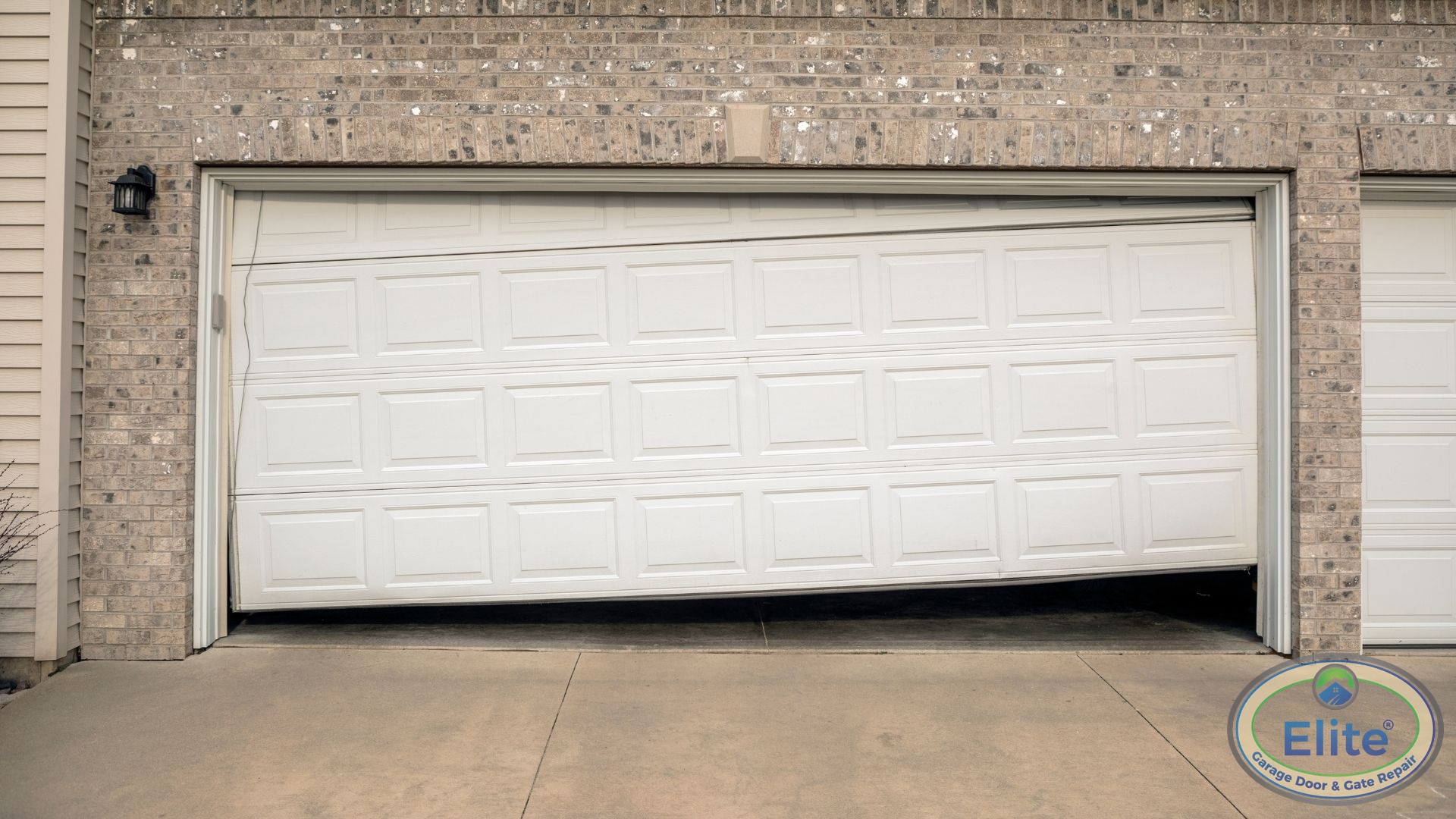
Last month, I received a panicked call from a homeowner in Fairwood whose small terrier nearly got caught under their closing garage door. The sensors had failed to detect the dog, and it was pure luck that the owner hit the remote in time. That incident reminded me how critical it is to ensure your garage door safety sensors can detect pets of all sizes, especially here in Renton where so many families have furry companions.
After years of servicing garage doors throughout King County, I’ve learned that standard garage door sensors aren’t always optimized for pet safety. Let me share what our team has discovered about protecting your four-legged family members.
Table of Contents
Can Garage Door Sensors Actually Detect Small Pets?
Yes, garage door sensors can detect small pets, but only if they’re properly positioned and functioning correctly. Standard photo-eye sensors sit 4 to 6 inches above your garage floor and create an invisible beam across the doorway.
The problem is that small dogs, cats, and other pets often sit lower than this beam. I’ve seen countless situations where a Chihuahua or a crouching cat could pass under the sensor beam entirely undetected. This is why proper sensor height and regular testing are essential for pet-owning households.
The Critical Sensor Positioning for Pet Safety
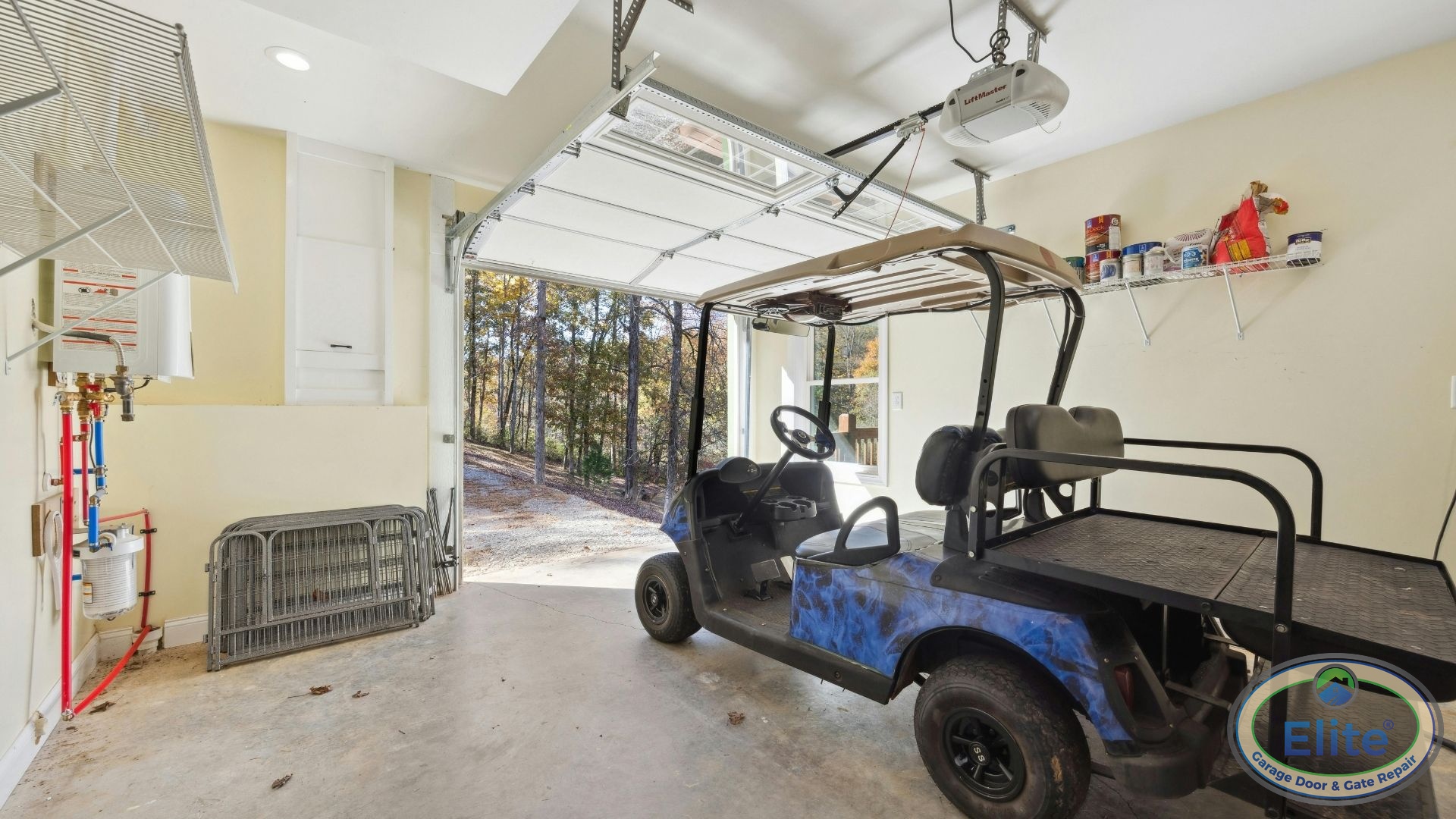
During our service calls throughout Renton, we always check sensor height first. For homes with pets, I recommend positioning sensors no higher than 4 inches from the floor. This lower placement significantly improves detection of smaller animals, and if you’re considering upgrading your entire system, our Door Designer can help you select modern doors with enhanced safety features built in.
The sensors must also be perfectly aligned. Even a slight misalignment can create detection gaps large enough for a pet to slip through. Our team uses laser alignment tools to ensure precision, because eyeballing it simply isn’t accurate enough when your pet’s safety is at stake.
Testing Your Sensors With Pet-Sized Objects
I always tell Renton homeowners to test their sensors monthly using objects similar in size to their pets. Place a cardboard box or small stool in the door’s path while closing. If the door doesn’t immediately reverse, your sensors need adjustment or replacement.
Don’t rely solely on waving your hand through the beam. Your hand moves quickly and sits higher than most pets. A stationary, low-profile object provides a much more realistic test of whether your system will protect a lounging cat or small dog.
Pacific Northwest Weather Impact on Sensor Performance
Washington’s persistent rain and moisture create unique challenges for garage door sensors. I’ve found that water droplets on sensor lenses can scatter the infrared beam, causing false readings or complete sensor failure.
During our rainy seasons, we see increased sensor issues in Renton neighborhoods like Kennydale and The Landing. I recommend installing protective sensor covers and cleaning the lenses quarterly with a soft cloth. This simple maintenance prevents weather-related malfunctions that could endanger your pets, and you can learn more about How Pacific Northwest Rain Damages Your Garage Door Sensors to stay ahead of moisture-related problems.
Additional Pet Safety Features Worth Considering
Modern garage door openers offer enhanced safety features beyond basic sensors. Pressure sensors in the door’s bottom edge provide a backup detection system that activates when the door contacts any object, including a pet.
Some newer systems also include motion detection technology that scans the entire door area, not just a single beam. These systems cost more upfront but provide significantly better protection for households with pets or young children, and if you want to explore cutting-edge technology, check out our article on Smart Sensors That Predict Your Garage Door Failure to see what advanced monitoring can do for your home.
What To Do If Your Sensors Keep Malfunctioning
Persistent sensor problems usually indicate wiring issues, damaged components, or misaligned tracks. These aren’t DIY fixes, especially when pet safety is involved.
If you’re experiencing repeated sensor failures, the stakes are too high to delay professional service. A malfunctioning sensor won’t just fail once, it will fail again, potentially when your pet is in harm’s way.
Professional Sensor Service Protects Your Entire Family
Your pets depend on you to keep them safe, and that includes ensuring your garage door sensors function flawlessly. Regular professional inspections catch problems before they become emergencies, and our team also provides expert Gate Opener Repair services if you have automated gates that need the same level of safety attention.
Our team at Elite Garage Door & Gate Repair has been protecting Renton families and their pets for years. We test every sensor system thoroughly, adjust heights for optimal pet detection, and replace failing components before they create dangerous situations.
If you have concerns about your garage door sensors or want a pet safety inspection, give us a call. Your furry friends are counting on you.