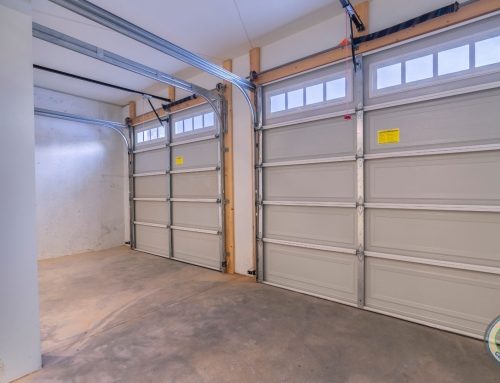

After installing hundreds of insulated garage doors across Renton over the years, I’ve had countless homeowners ask me which insulation type is worth the investment. The answer isn’t always straightforward, but understanding the difference between polystyrene and polyurethane can help you make the right choice for your home and budget.
Your garage door’s insulation directly impacts your energy bills, comfort, and even how well your car starts on cold mornings. Let me walk you through what we’ve learned from years of serving King County families.
Table of Contents
What Is Polystyrene Insulation?
Polystyrene is the foam board insulation you’ll find in many mid-range garage doors. We typically see it in panels that are cut to fit between the door’s steel layers, similar to how styrofoam sheets look and feel.
This insulation type comes with R-values ranging from 3.6 to 4.4, depending on thickness. It’s lightweight, affordable, and does a decent job of buffering temperature extremes in our Pacific Northwest climate.
The main drawback I point out to Renton homeowners is that polystyrene panels don’t fill every gap. Small air pockets can form around the edges, which reduces overall thermal efficiency. If you’re considering different insulation options while exploring new door styles, our Door Designer tool can help you visualize how various insulated models will look on your home.
How Does Polyurethane Insulation Differ?
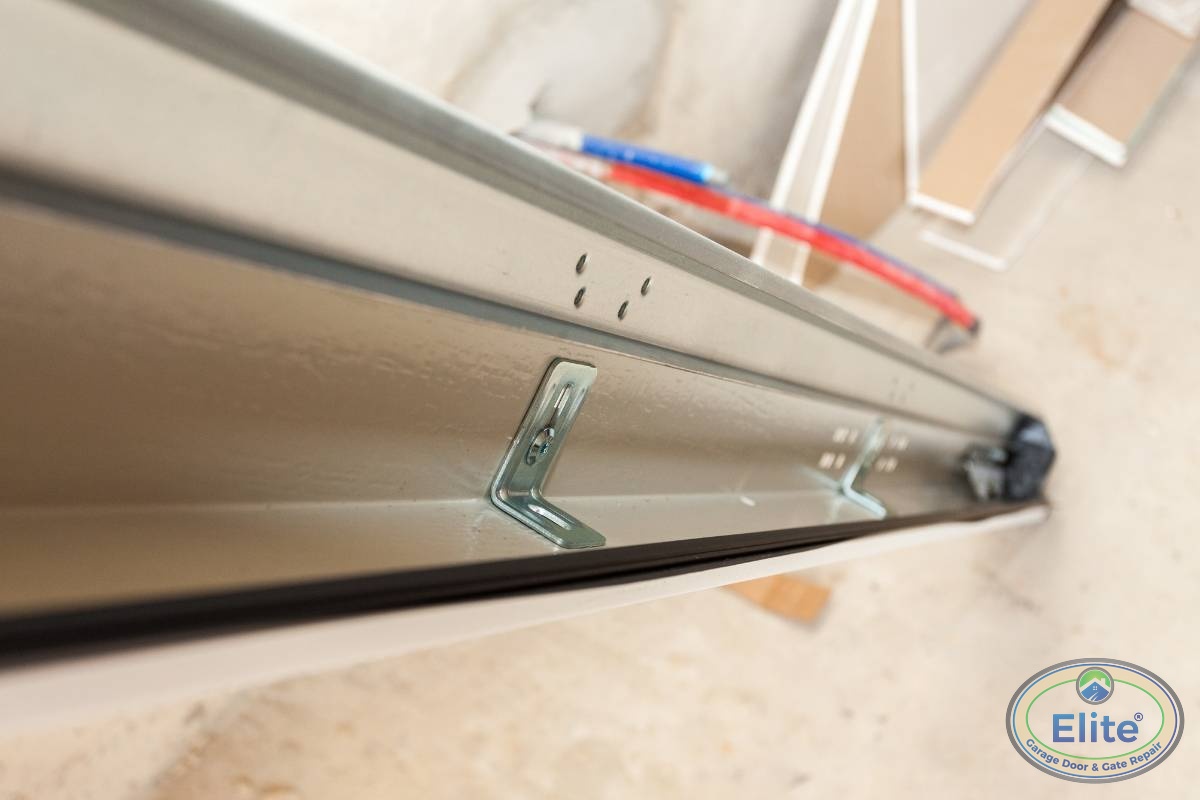
Polyurethane is injected as a liquid foam that expands to fill the entire cavity between your garage door’s steel layers. This creates a complete thermal barrier with no gaps or air pockets.
We see R-values between 6.5 and 9.0 with polyurethane, nearly double what polystyrene offers. The foam also bonds the inner and outer steel layers together, which significantly strengthens the door structure and reduces noise when opening and closing.
This added strength matters in our area. I’ve seen polyurethane doors hold up better against accidental impacts, strong winds, and the wear from daily use in busy Fairwood and Renton Highlands households.
Which Insulation Type Should Washington Homeowners Choose?
For attached garages in Renton, I almost always recommend polyurethane insulation. If your garage shares a wall with your home, that superior R-value translates directly into lower heating costs during our damp, chilly winters.
Our team has measured temperature differences of 10 to 15 degrees between insulated and uninsulated garages on cold mornings. With polyurethane, you’ll maintain more consistent temperatures year-round, which protects stored items, paint, tools, and vehicles.
Polystyrene makes sense if you have a detached garage used primarily for storage, or if budget is your main concern. It still provides reasonable insulation at a lower price point than polyurethane options. When weighing your options, check out our Cost Breakdown: Repair Vs. Replace Your Garage Door guide to understand the full financial picture.
Does Better Insulation Really Save Money in Renton’s Mild Climate?
Yes, but the savings depend on your specific situation. Homes in areas like Kennydale and Talbot Hill with attached garages see the most benefit because heat loss through an uninsulated garage door affects the adjacent living spaces.
Beyond energy savings, better insulation reduces condensation problems common in Washington’s humid climate. We’ve helped dozens of homeowners solve moisture issues simply by upgrading to polyurethane-insulated doors.
The noise reduction alone is worth considering. Polyurethane doors operate 30 to 40 percent quieter than uninsulated or polystyrene-insulated models, which matters if you leave early for work or return home late. For more tips on reducing garage door noise, read our article on Innovative Solutions For Quieter Garage Door Operation.
Additional Factors Beyond Insulation Type
The insulation is only part of the thermal equation. Weather stripping quality, bottom seal condition, and proper door balance all impact your garage’s energy efficiency.
We always check these components during installations. Even the best polyurethane insulation won’t perform well if cold air rushes through worn seals or gaps around the door perimeter.
Making the Right Choice for Your Home
The decision between polystyrene and polyurethane comes down to how you use your garage, your budget, and your long-term energy goals. We’ve installed both types throughout Renton, and each serves specific needs well.
If you’re ready to upgrade your garage door insulation or want personalized advice based on your home’s layout, our team at Elite Garage Door & Gate Repair is here to help. We’ll assess your current setup and recommend the insulation solution that makes the most sense for your situation and budget. We also provide expert Gate Opener Repair services for comprehensive property access solutions.