
During my years serving Renton homeowners, I’ve encountered countless older homes in neighborhoods like Renton Highlands and Kennydale where counterweight garage door systems are still operating. These mechanical marvels predate the torsion spring systems we install today, and understanding how they work can help you make informed decisions about maintenance and upgrades.
If your home was built before the 1960s, there’s a good chance you have a counterweight system hidden in your garage. Let me share what I’ve learned from maintaining and replacing these fascinating pieces of garage door history.
Table of Contents
How Counterweight Systems Actually Work
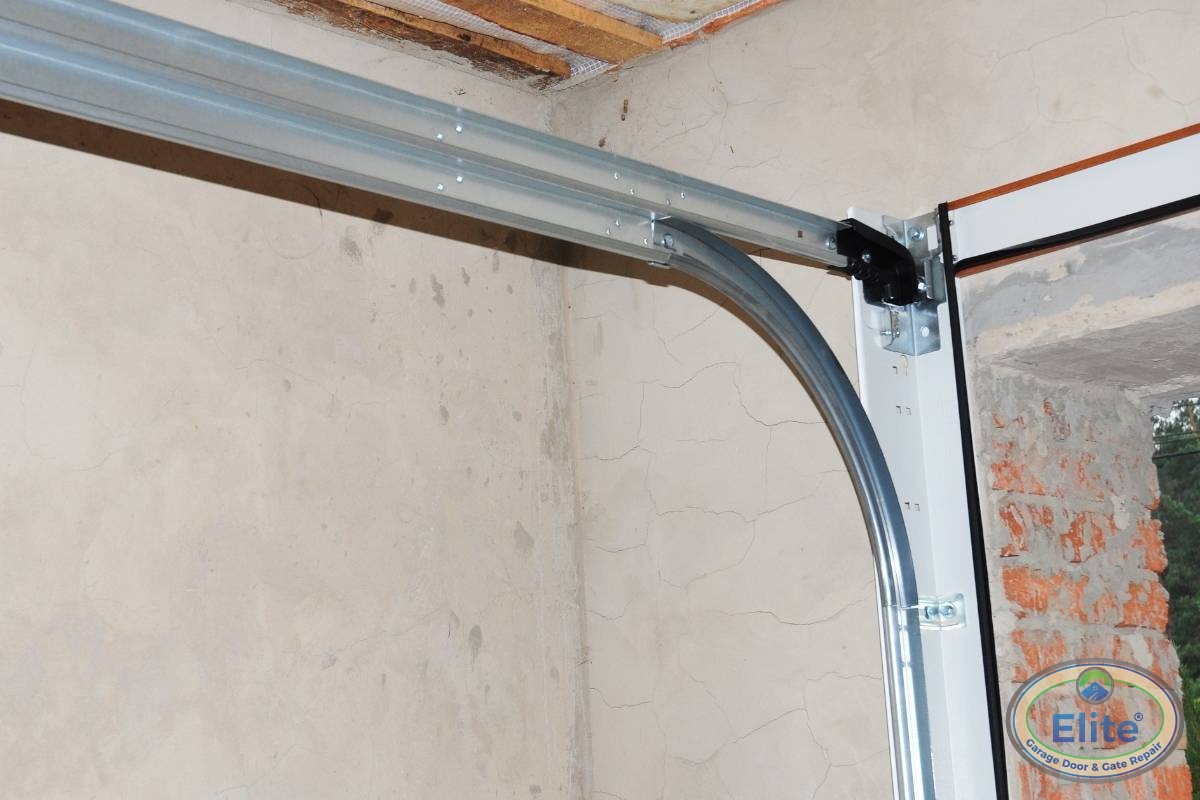
A counterweight garage door system uses heavy weights, typically cast iron or concrete blocks, suspended by cables inside vertical tracks mounted on either side of your door. When you lift the door, these weights descend, providing the necessary force to balance the door’s weight and make opening easier.
The entire mechanism runs through a system of pulleys and cables. I’ve worked on systems in older Fairwood and West Hill properties where these weights are concealed within the wall structure itself, making them nearly invisible until something goes wrong.
Why Renton Homes Still Have These Systems
Many Renton properties built in the 1940s through early 1960s were constructed with counterweight systems as the standard technology. These systems were durable, reliable, and perfectly suited to the single-car wooden garage doors common at the time.
Our Pacific Northwest climate has actually helped preserve many of these systems. Unlike regions with extreme temperature swings, Renton’s mild winters don’t stress the cables and pulleys as severely. I’ve inspected counterweight systems in Talbot Hill homes that are still functioning after 60-plus years, though understanding How Renton’s Elevation Changes Affect Garage Door Spring Performance can help you appreciate the unique challenges in our area.
Common Problems We Encounter
The most frequent issue I see with counterweight systems is cable wear and fraying. Years of friction against pulleys eventually weakens the cables, creating a serious safety hazard if they snap.
Here are the warning signs I tell Renton homeowners to watch for:
- Visible fraying or rust on the lift cables
- Squeaking or grinding noises from the pulley system
- Door feels heavier than usual when opening manually
- Uneven door movement or tilting to one side
- Exposed counterweights that appear loose or damaged
Water damage is another concern in our rainy climate. I’ve found rotted pulley mounting boards in several older Benson Hill garages where moisture infiltration compromised the wood structure supporting the entire system.
Should You Replace or Maintain Your Counterweight System?
This is the question I hear most often. A well-maintained counterweight system can continue operating safely for years, but replacement parts are increasingly difficult to source. When cables or pulleys fail, finding exact replacements often requires custom fabrication.
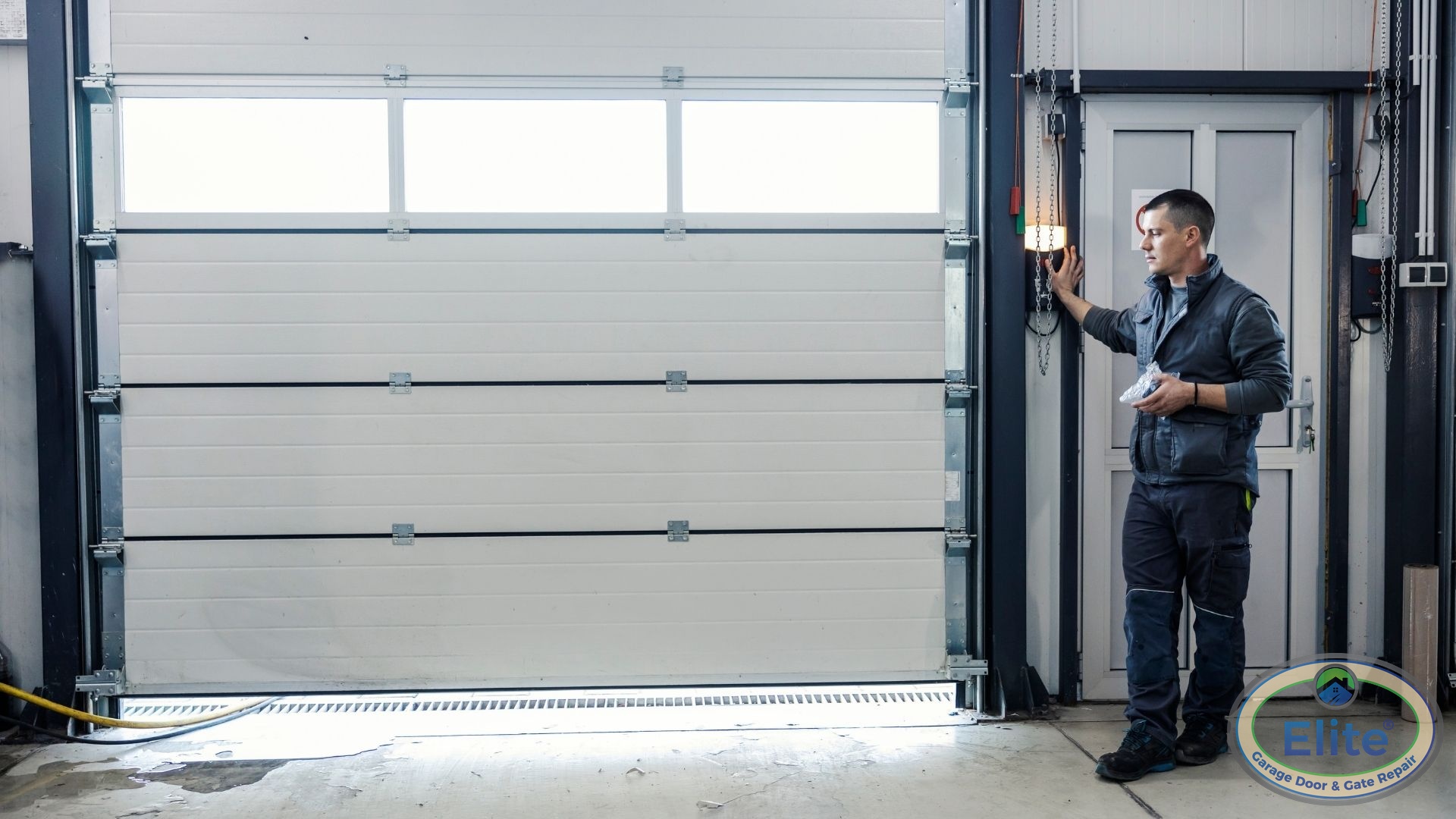
Most homeowners I work with in Renton choose to convert to modern torsion spring systems during major repairs. The conversion provides better performance, easier maintenance, and compatibility with modern garage door openers. Plus, it frees up wall space currently occupied by those bulky counterweight tracks.
However, if you’re maintaining a historic home or prefer preserving original features, we can absolutely service and repair counterweight systems. I’ve successfully restored several systems in The Landing area for homeowners committed to authenticity, and exploring options for New Garage Doors can help you understand modern alternatives.
What Does Counterweight System Maintenance Actually Cost?
Basic maintenance like lubricating pulleys and inspecting cables typically runs between $85 and $150 during a service call. Cable replacement is more expensive, usually $300 to $600 depending on the configuration and accessibility of your specific system.
Full conversion to a torsion spring system generally costs $800 to $1,400 in the Renton area, including removal of the old counterweight mechanism and installation of new springs and hardware. If you’re considering a modern replacement, our Door Designer tool can help you visualize different options for your home.
Expert Counterweight Service in King County
Whether you need maintenance for your vintage counterweight system or you’re ready to upgrade to modern technology, our team at Elite Garage Door & Gate Repair brings decades of experience with both old and new garage door mechanisms. We’ve worked on nearly every type of system in Renton neighborhoods, and we’ll give you honest advice about whether repair or replacement makes the most sense for your situation and budget, including considerations like Understanding Garage Door R-Value: Keeping Your Renton Home Warm And Efficient when selecting a replacement door.
Contact us today for a thorough inspection of your counterweight garage door system and a detailed assessment of your options.