
After years of working on garage doors throughout Renton, I’ve noticed that most homeowners don’t realize their garage door could be the largest opening in their home’s exterior. When winter arrives in the Pacific Northwest, that uninsulated door becomes a major source of heat loss and higher energy bills.
Today, I want to share what I’ve learned about R-value and why it matters so much for our local climate. This knowledge has helped countless families in neighborhoods like Renton Highlands and Kennydale save money while staying warmer.
Table of Contents
What Exactly Is R-Value?
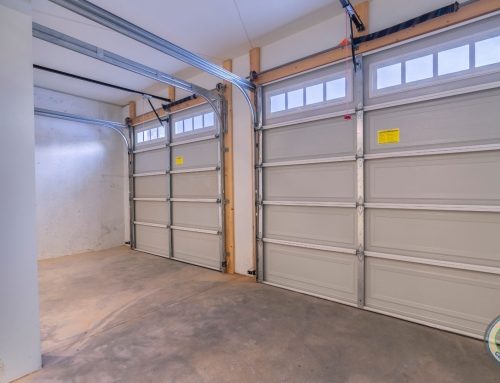
R-value measures a material’s resistance to heat flow. The higher the R-value, the better your garage door insulates your home. An uninsulated garage door typically has an R-value of 0 to 2, while insulated doors range from R-8 to R-18.
For Renton winters, where temperatures regularly drop into the 30s and 40s with persistent rain and occasional snow, this number makes a real difference. I’ve measured temperature differences of 20 degrees or more between insulated and uninsulated garages during our coldest months.
How Does R-Value Impact Your Energy Bills?
Your garage acts as a buffer zone between the cold outside air and your heated living spaces. If you have rooms above or adjacent to your garage, an uninsulated door forces your heating system to work overtime.
We’ve had customers in Fairwood and Talbot Hill report 10 to 15 percent reductions in heating costs after upgrading to insulated doors. The savings add up quickly, especially with Washington’s energy rates, making Regular Garage Door Maintenance even more valuable.
Which R-Value Do Renton Homes Actually Need?
For an attached garage in our area, I recommend a minimum R-value of 12. This provides solid insulation without breaking your budget. If you have a workshop, home gym, or living space above your garage, consider R-16 or R-18.
Detached garages can function well with lower R-values like R-8 or R-10, since they don’t directly impact your home’s heating efficiency. However, if you spend significant time in that space, higher insulation still makes sense for comfort.
Understanding Insulation Types
Most insulated garage doors use either polystyrene or polyurethane foam. Polystyrene panels are cut to fit inside the door sections and typically offer R-values between 8 and 12.
Polyurethane foam is injected into the door cavity, expanding to fill every gap. This method delivers higher R-values (up to R-18) and adds structural strength to the door. In my experience, polyurethane performs better in our damp climate because it resists moisture absorption.
The Hidden Benefits Beyond Energy Savings
Insulated doors do more than just keep heat in. They’re significantly quieter during operation, which our customers in denser neighborhoods like The Landing really appreciate. The extra weight and rigidity also make these doors more durable and wind-resistant.
I’ve also noticed that insulated doors help control humidity in your garage, protecting stored items from moisture damage. This matters in the Pacific Northwest, where dampness is a constant challenge, similar to how Clay Soil Affects Swing Gates In Renton.
Does R-Value Affect Door Performance?
Yes, but in positive ways. Insulated doors are heavier, which means your opener needs adequate horsepower and your springs must be properly calibrated. When we install insulated doors, our team always ensures these components are correctly matched.
The added weight actually helps doors operate more smoothly and quietly. I’ve rarely seen performance issues when the installation is done right, especially when you have access to professional Gate Opener Repair Services.
Making the Right Choice for Your Home
Choosing the right R-value depends on your specific situation, budget, and how you use your garage space. During our consultations throughout King County, I always assess factors like room adjacency, garage usage, and your home’s overall insulation.
If you’re unsure what R-value makes sense for your Renton home, our team at Elite Garage Door & Gate Repair can evaluate your situation and recommend the most cost-effective solution. We’ll help you balance upfront costs with long-term energy savings, ensuring you make an investment that pays off for years to come. You can also explore options using our Door Designer Tool.