
After years of serving homeowners throughout Renton, I’ve seen countless garage door problems that started small and turned into major headaches. Most people don’t think about their garage door until something goes wrong, but I’ve learned that catching issues early can save you hundreds of dollars and prevent dangerous situations.
Your garage door is the largest moving part of your home, cycling through thousands of operations each year. In our Pacific Northwest climate, with constant moisture and temperature changes, these systems face unique challenges that can accelerate wear and tear.
Table of Contents
Unusual Noises During Operation
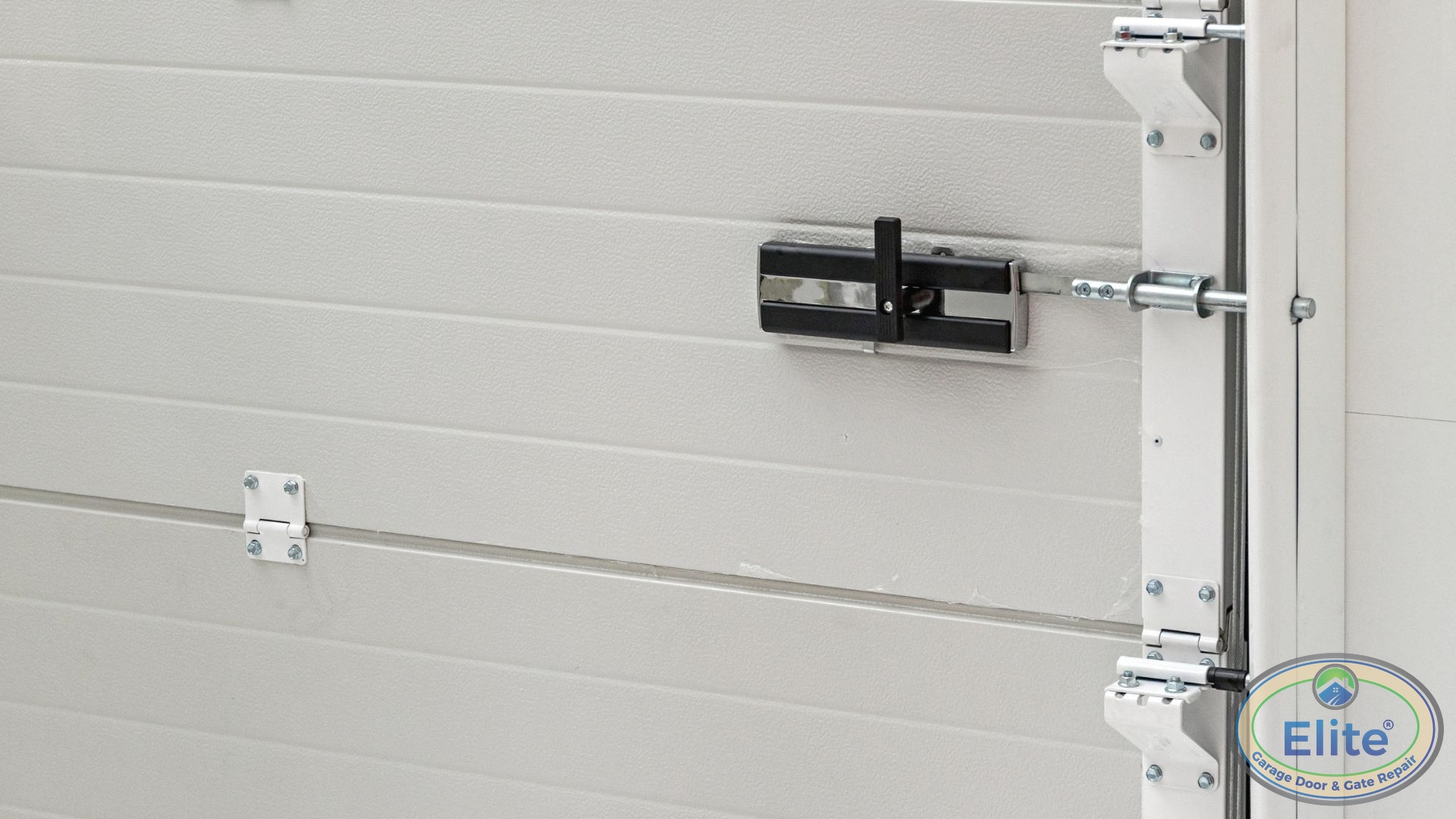
If your garage door sounds like it’s grinding, squealing, or banging, it needs professional attention immediately. These noises indicate worn rollers, loose hardware, or failing components that can lead to complete system failure.
I’ve responded to countless calls in neighborhoods like Renton Highlands and Kennydale where homeowners ignored grinding sounds for months. By the time they called us, what could have been a simple roller replacement turned into a full track and spring replacement.
Normal garage doors operate with a quiet hum. Any screeching, popping, or rattling means something’s rubbing, loose, or breaking down inside the mechanism.
Slow or Jerky Movement
A properly functioning garage door opens smoothly in about 12 to 15 seconds. If yours takes longer, hesitates, or moves in jerky motions, the opener motor or spring system is struggling.
We frequently see this issue during Renton’s wet winter months when moisture affects the metal components. The door might move a few inches, pause, then lurch forward again, which puts enormous stress on the opener and can burn out the motor.
I always tell customers that smooth operation isn’t just about convenience. It’s a sign that all components are working in harmony and the system is safe for daily use.
The Door Won’t Stay Open or Closed
Does your garage door creep open after you close it, or slam down when you try to leave it partially open? This indicates broken or imbalanced springs, which is one of the most dangerous garage door problems you can face.
Springs are under tremendous tension and should only be adjusted or replaced by trained professionals. I’ve seen DIY spring repairs result in serious injuries, damaged vehicles, and completely destroyed door sections.
If you notice your door won’t maintain any position except fully closed, call us immediately. This is not a problem that fixes itself, and it will only get worse.
Visible Damage or Wear to Door Panels
Cracks, dents, or warping in your door panels might seem cosmetic, but they compromise the structural integrity of the entire system. In areas like Fairwood and Talbot Hill, I’ve seen how our occasional snow and ice can worsen existing panel damage.
Damaged panels throw off the door’s balance, making the opener work harder and wearing out components faster. Water can seep into cracks and cause rust or rot, depending on your door material, and if you’re considering a replacement, our Door Designer can help you explore modern options that withstand our climate better.
Our team can assess whether panels need replacement or if the damage has affected the tracks, rollers, or spring system as well.
What Are the Signs of a Failing Garage Door Opener?
A failing opener typically shows intermittent operation, where it works one day and fails the next, or responds inconsistently to remote commands. You might also notice the motor running but the door not moving, or the opener reversing unexpectedly without obstruction.
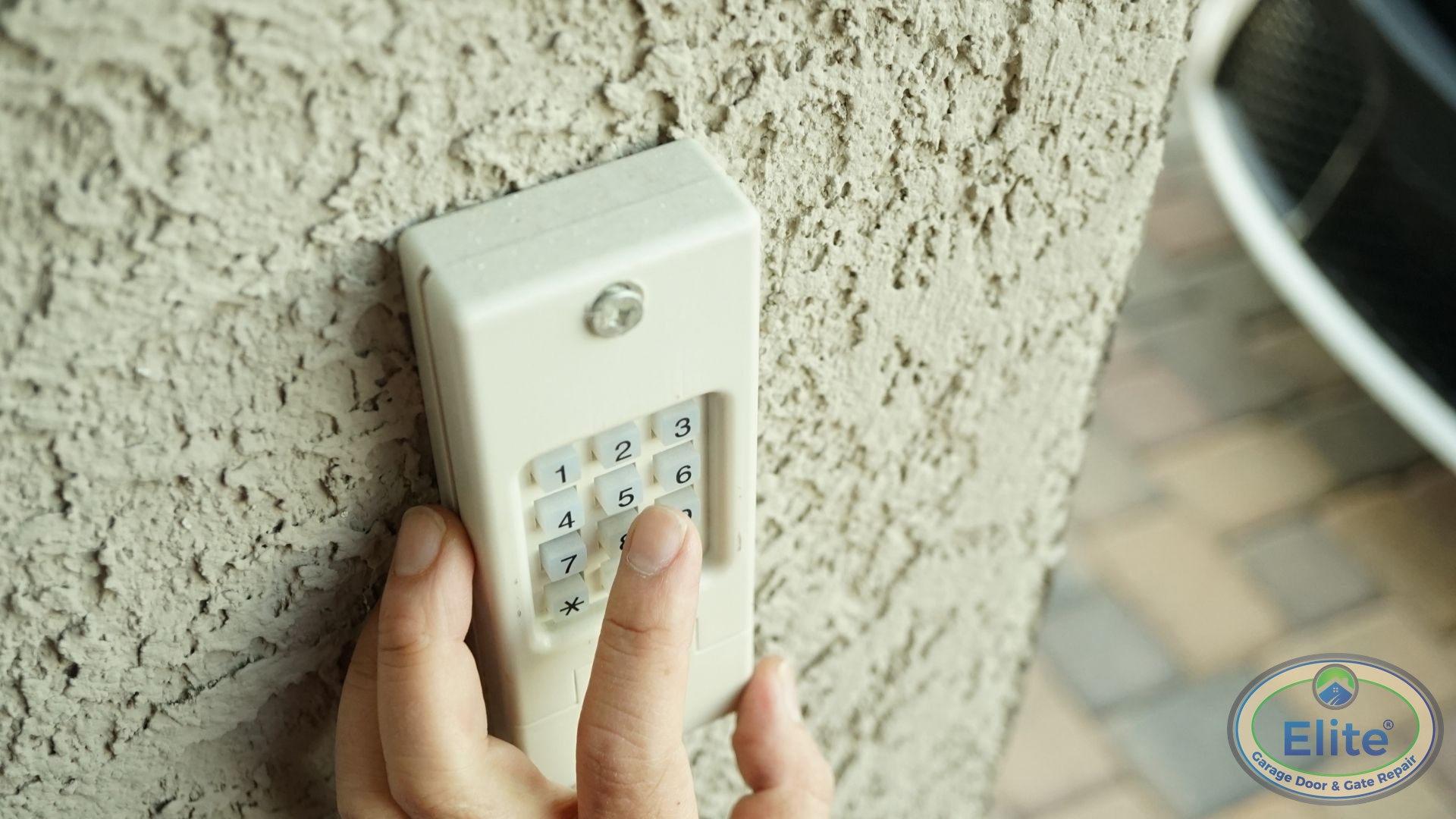
Modern openers have safety sensors and automatic reverse features, but when these malfunction, your door becomes a safety hazard. I’ve worked on openers throughout King County where sensor misalignment caused doors to close on vehicles or refuse to close at all, and we also provide Gate Opener Repair services for properties with automated gate systems.
If your opener is more than 10 to 12 years old and showing these symptoms, replacement is usually more cost-effective than repeated repairs. Newer models offer better safety features, Wi-Fi connectivity, and battery backup for our occasional power outages.
Sagging or Uneven Door Movement
When you look at your closed garage door from inside, both sides should be level. If one side appears lower than the other, or the door moves unevenly when opening, the spring system needs immediate attention.
Uneven movement puts stress on one side of the door, wearing out rollers, cables, and tracks asymmetrically. This creates a cascading problem where fixing one side doesn’t solve the underlying balance issue.
We use precision tools to measure and adjust spring tension, ensuring your door operates smoothly and safely. This isn’t something you can eyeball or fix with basic tools.
High Energy Bills or Drafts
If you’ve noticed your heating costs creeping up, your garage door might be the culprit. Gaps around the door, worn weather stripping, or damaged panels allow our cold, damp Washington air to enter your garage and home.
I’ve helped many Renton homeowners discover that their “minor” garage door issues were costing them $20 to $40 monthly in wasted energy. Proper sealing and insulation keep your garage at a stable temperature and reduce strain on your home’s heating system.
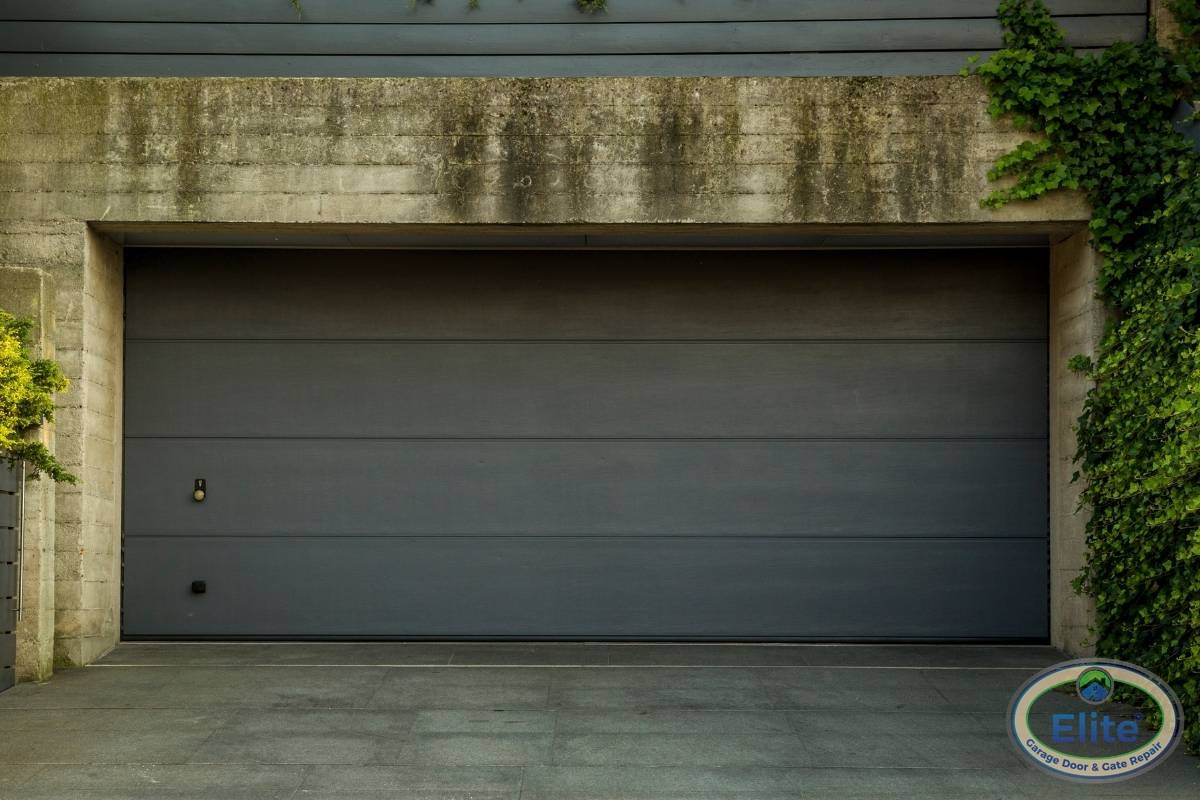
During our service calls, we always check the weather stripping along the bottom and sides of the door. This simple component makes a massive difference in energy efficiency.
How Do I Know If My Garage Door Springs Are Broken?
A broken spring is usually obvious because the door becomes extremely heavy and won’t open more than a few inches, or the opener struggles and gives up. You might also see a gap in the spring coil or hear a loud bang when the spring breaks.
Springs typically last 7 to 10 years or about 10,000 cycles, but our climate can shorten that lifespan. I recommend having springs inspected annually, especially if your door gets heavy use or you’ve lived in your home for several years, and understanding the Cost Breakdown: Repair Vs. Replace Your Garage Door can help you make informed decisions about spring replacement.
Never attempt to open a garage door with a broken spring manually. The door can weigh 200 to 400 pounds, and without spring support, it can cause serious injury or damage your vehicle if it falls.
Frequent Reversing or Failure to Close
Modern garage doors have safety sensors that prevent the door from closing on objects or people. If your door reverses constantly or won’t close without you holding the wall button, the sensors may be misaligned or dirty.
Sometimes the fix is simple, like cleaning the sensor lenses or adjusting their position. Other times, the sensors themselves have failed and need replacement to restore safe operation.
I’ve found that our rainy Renton weather can cause sensor issues, especially if moisture gets into the wiring or connections. Professional diagnosis ensures we’re addressing the root cause, not just the symptom.
Rust, Corrosion, or Cable Fraying
The cables that lift your garage door are under constant tension and can fray or snap without warning. If you notice rust on springs, cables, or tracks, or see any fraying on the lift cables, schedule professional service immediately.
Pacific Northwest moisture accelerates rust formation on metal components. What looks like surface rust might indicate deeper corrosion that weakens critical parts.
During maintenance visits throughout areas like Benson Hill and The Landing, we apply lubricant to metal parts and check for corrosion. This preventive step extends component life and helps us catch problems before they become emergencies.
Trust Local Expertise for Your Garage Door Repairs
Your garage door protects your vehicles, tools, and often provides entry to your home. When you notice any of these warning signs, don’t wait for a complete breakdown or safety incident.
Our team at Elite Garage Door & Gate Repair has been serving Renton families for years, and we understand the specific challenges our local climate presents. We respond quickly, diagnose accurately, and fix problems right the first time, and we can help you decide whether to Repair Vs. Replace Your Garage Door based on your specific situation.
If you’re experiencing any of these issues or just want peace of mind about your garage door’s condition, give us a call. We’ll provide honest assessment and expert repair that keeps your family safe and your door operating smoothly for years to come.