
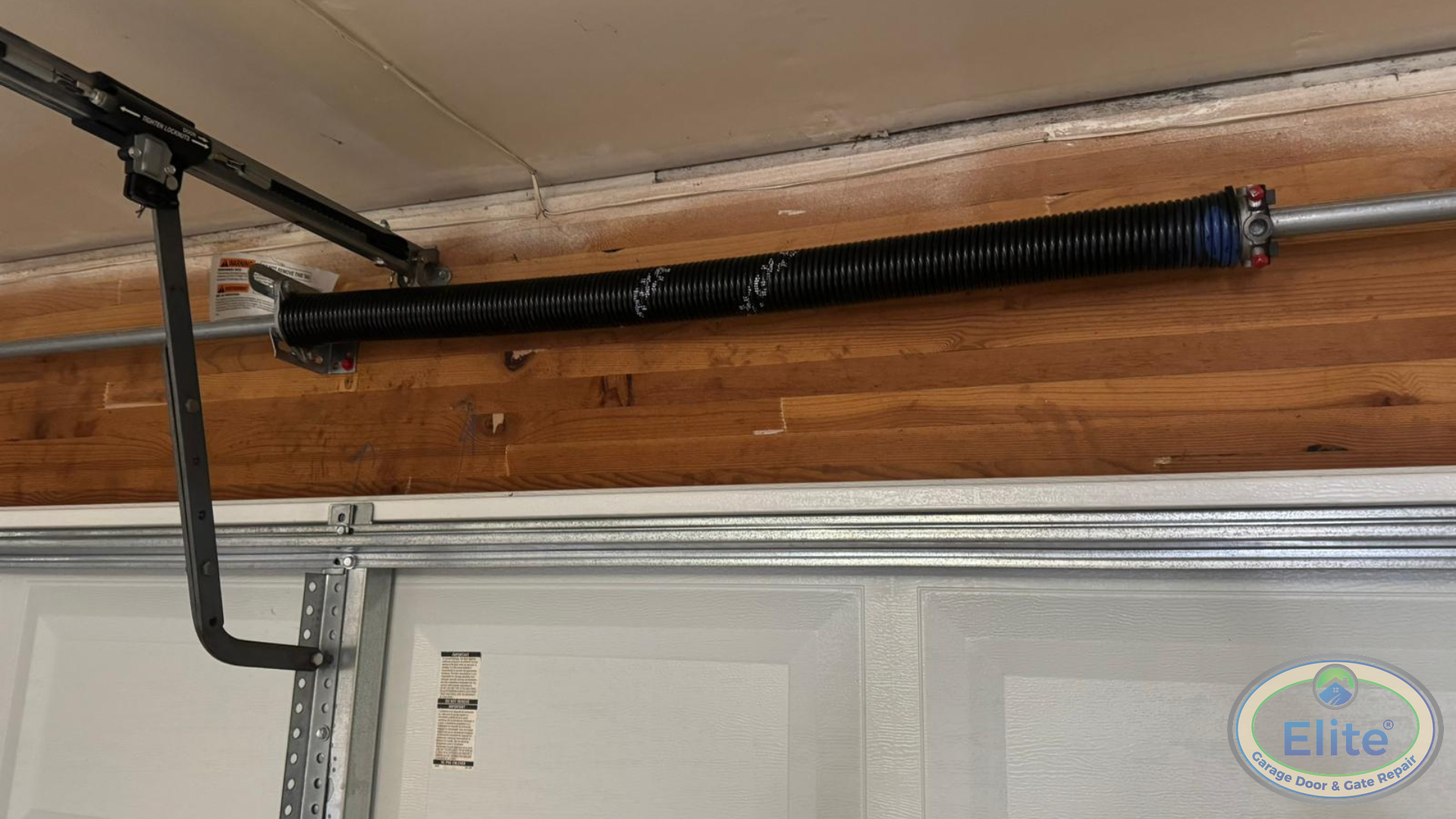
After two decades serving Renton homeowners, I can tell you exactly when my phone starts ringing off the hook: the first cold snap of the season. Within hours of temperatures dropping below freezing, I’m fielding calls about garage doors that won’t open or springs that snapped overnight.
The culprit? Your torsion springs are fighting a losing battle against physics, and understanding why can save you from being stranded in your driveway on a frigid morning.
Table of Contents
Why Do Torsion Springs Break More Often in Cold Weather?
Cold temperatures cause metal to contract, making torsion springs brittle and less flexible. When you press your opener button on a freezing morning, the spring must stretch and flex under tremendous tension, but the contracted metal can’t handle the stress as effectively as it does in warmer conditions.
Here in the Pacific Northwest, we see this phenomenon most clearly during those occasional hard freezes. Even though our winters are generally mild, that sudden temperature drop from 45 degrees to 25 degrees creates enough contraction to push an aging spring past its breaking point.
The science is straightforward: steel loses ductility as it gets colder. A spring that might have lasted another month in moderate temperatures can fail immediately when subjected to cold stress combined with the weight of your garage door.
The Role of Spring Cycles and Metal Fatigue
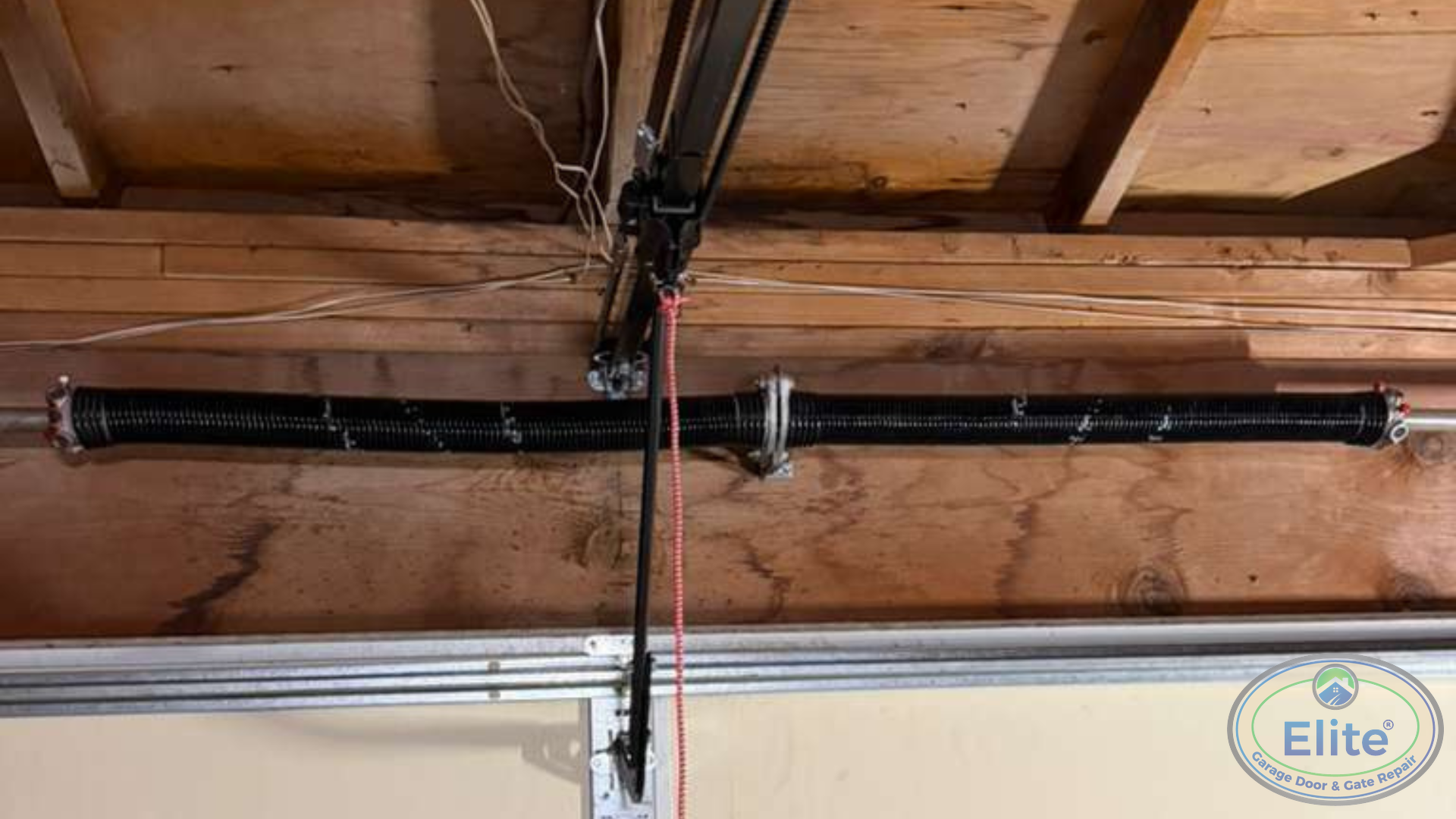
Every garage door spring has a rated lifespan measured in cycles (one complete open and close sequence). Most residential springs are rated for 10,000 to 20,000 cycles, which translates to roughly seven to twelve years of typical use.
As springs approach their cycle limit, microscopic fractures develop in the metal coils. Cold weather doesn’t create these fractures, but it exploits them mercilessly. The reduced flexibility means those tiny weak points can’t absorb stress, and the spring snaps at its most vulnerable point.
I’ve replaced countless springs in Renton neighborhoods like Fairwood and Kennydale where homeowners were caught completely off guard. The door worked fine the night before, but one cold morning changed everything.
Warning Signs Your Springs Are Vulnerable to Cold Failure
Our team has identified several indicators that your Springs Are At Risk during temperature drops:
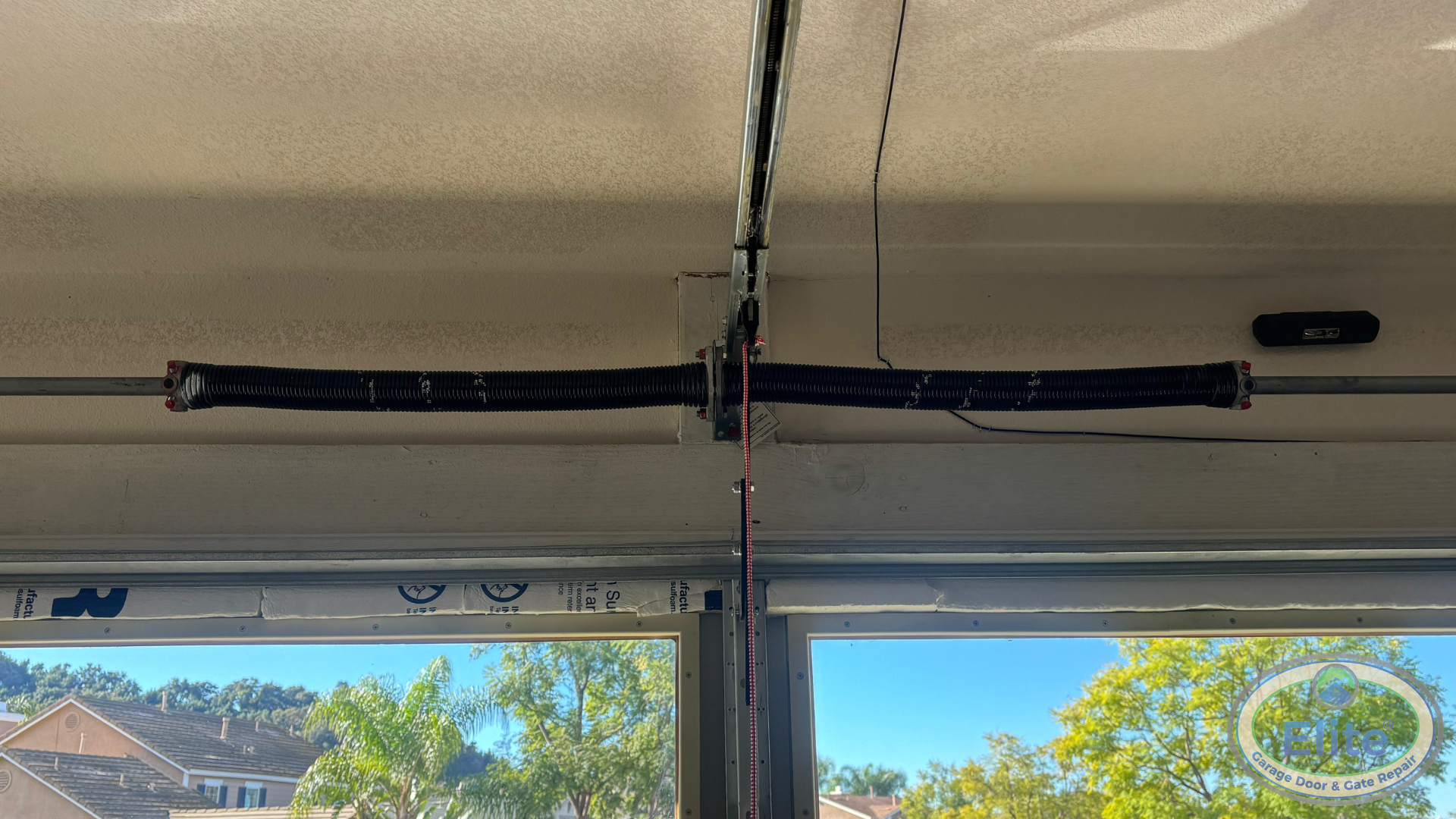
- Visible gaps between coils when the door is closed
- Rust or corrosion on the spring surface
- The door feels heavier than usual when lifting manually
- You hear creaking or straining noises during operation
- Your springs are over seven years old
If you notice any of these signs before cold weather hits, don’t wait. Proactive replacement is far less expensive and stressful than an emergency call when you’re stuck inside or outside your garage.
What Happens Inside Your Garage During a Cold Snap
Most Renton garages aren’t heated, meaning the temperature inside closely mirrors the outside air. When King County experiences those rare overnight freezes, your garage becomes a refrigerator for metal components.
The torsion spring isn’t the only victim. Cold weather also thickens lubricants, making them less effective.
Rubber seals become stiff and less pliable. Metal rollers and tracks contract at different rates, creating additional friction.
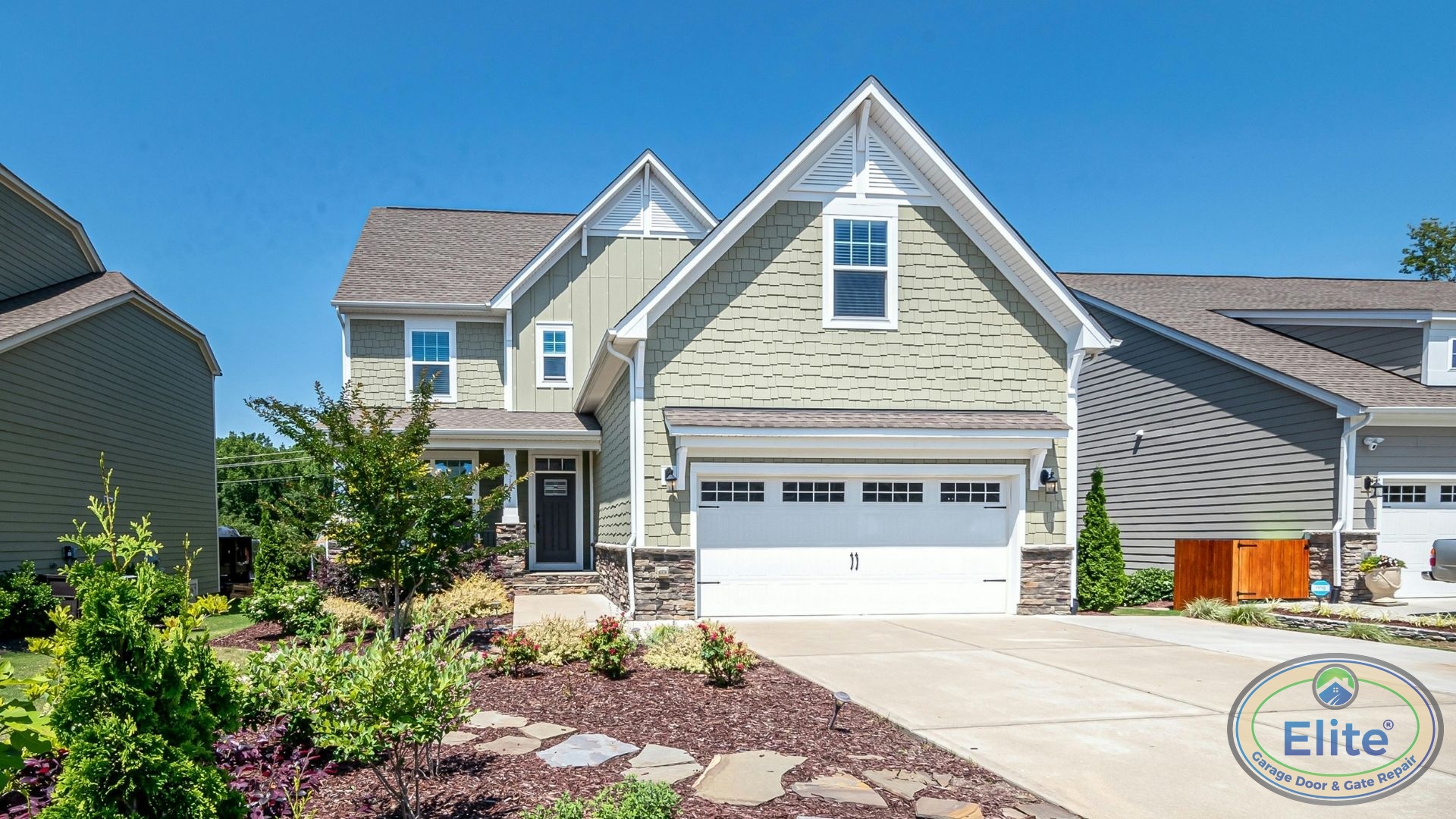
All of these factors combine to put maximum stress on your springs right when they’re least capable of handling it. It’s the perfect storm for mechanical failure.
Can You Prevent Cold Weather Spring Failures?
Yes, but prevention requires action before temperatures drop. We recommend replacing springs that are approaching their rated cycle limit before winter arrives. If your springs are over seven years old, consider Converting To A Two Spring System for added reliability even if they seem fine.
Regular lubrication with cold-weather rated garage door lubricant helps maintain flexibility. Apply it to springs, rollers, and hinges when temperatures are above 50 degrees for best penetration.
Insulating your garage door won’t prevent spring failure directly, but it moderates temperature swings that stress the metal. Many of our Renton clients in areas like Sunset and The Landing have seen improved performance after adding insulation, and you can explore options with our Door Designer Tool.

Trust Local Expertise for Spring Replacement
Torsion springs store enormous energy and require specialized tools and training for safe replacement. I’ve seen serious injuries from DIY attempts, and it’s simply not worth the risk.
At Elite Garage Door & Gate Repair, we stock high-cycle springs designed to withstand Washington’s temperature fluctuations. Our team responds quickly to broken spring emergencies throughout Renton because we know you can’t wait when your garage door is inoperable.
Don’t let cold weather catch you unprepared. Contact us today for a spring inspection and learn more about The Importance Of Garage Door Spring Maintenance to stay ahead of the next freeze.